Layered Cake Toppers: From Flat Design to 3D Art
Imagine transforming a simple digital file into a stunning, multi-dimensional centerpiece that captures attention and elevates any celebration. This is the magic of learning How to Turn a Flat Design into a Layered Cake Topper, a skill that bridges the gap between digital precision and tangible, tactile artistry. In a world saturated with flat digital imagery, adding depth and texture through layering creates a powerful visual impact, making your projects—and by extension, any brand or event they represent—memorable and professional.
The Designer's Toolkit: Beyond the Screen
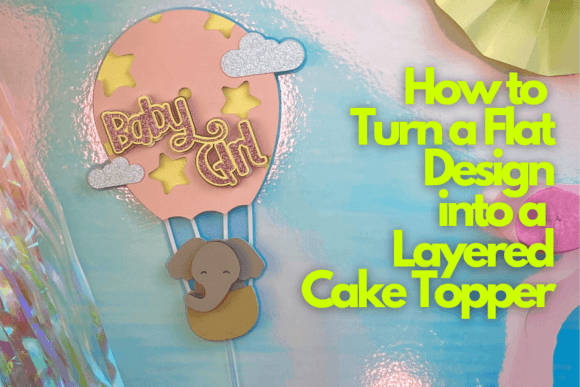
This process, expertly guided by Ella from The Craftaholic Studio, demonstrates how to leverage design software like Cricut Design Space to deconstruct a single, plain SVG file and a complementary font into multiple, precisely cut layers. The result is a charming baby elephant in a hot air balloon, but the principles are universal. For graphic designers and creators, this technique is a gateway to expanding your creative assets from the purely digital realm into the physical world, enhancing branding touchpoints and product offerings with a handmade, premium feel.
Practical Applications Across Creative Fields
Understanding dimensional design has immediate applications that can strengthen a brand's identity and communication strategy. Consider how layered elements can enhance various projects:
- Brand Identity & Packaging Design: Create standout business cards, folder inserts, or product packaging with debossed or layered logos that convey quality and attention to detail.
- Marketing Materials & Advertising: Design impactful direct mail pieces, pop-up event invitations, or point-of-sale displays that physically engage the audience.
- Social Media & Digital Marketing: Craft unique, photogenic props for product photography or stop-motion videos, adding a tangible, shareable quality to digital content.
- Merchandise & Editorial Design: Develop limited-edition art prints, custom stickers, or textured book covers that stand out in a crowded marketplace.
Key Principles for Professional Execution
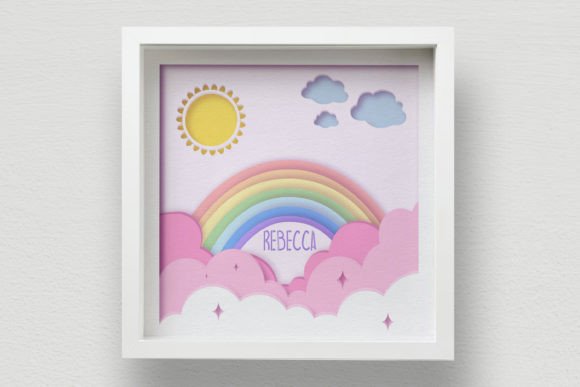
Executing a layered project with a polished, modern aesthetic requires more than just cutting paper. It demands a thoughtful approach to your design workflow and material selection. Ella's class emphasizes the ideal materials and tools, highlighting how paper weight, adhesive choice, and cutting precision directly affect the final result's visual hierarchy and durability. For instance, using a consistent color palette across layers ensures cohesion, while considering shadow placement can enhance the three-dimensional effect, mimicking principles used in UI/UX design to create depth.
The assembly techniques taught are crucial for achieving a professional presentation. This mirrors the importance of consistency in graphic design—each layer must align perfectly, much like elements in a logo or a web layout, to create a harmonious whole. The bonus lessons on mastering paper crafts further solidify a designer's ability to control these physical elements, ensuring scalability and readability from a tiny topper to a large installation.
Ultimately, learning to create dimension from flat files enriches your design inspiration and expands your creative toolkit. It reinforces that great design, whether for a brand identity, a social media campaign, or a personal celebration, is about intentional choices that captivate the senses and communicate value. By integrating these tactile techniques, you enhance not just the aesthetic appeal of your projects, but their power to connect and engage on a profoundly human level.