Rose of Baltimore Embroidery Font: Vintage Elegance for Modern Design
In the vast landscape of digital typography, the Rose of Baltimore Embroidery Font emerges as a unique creative asset, bridging the tactile charm of traditional needlework with the precision of modern graphic design. This script font isn't merely a set of characters; it's a stylistic statement that infuses projects with the timeless beauty of vintage calligraphy. For designers, marketers, and creators, understanding how to leverage such a specialized font can significantly elevate a project's visual hierarchy and emotional impact, transforming standard communication into an elegant visual experience.
Understanding the Rose of Baltimore Aesthetic
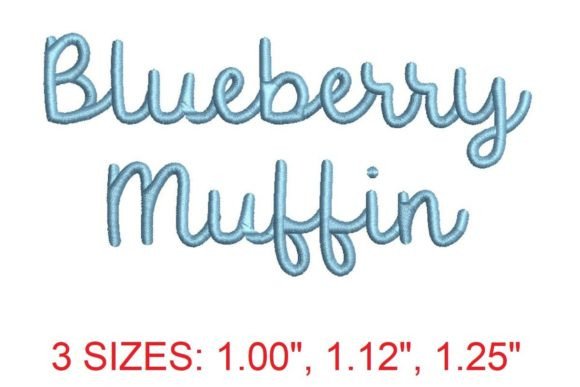
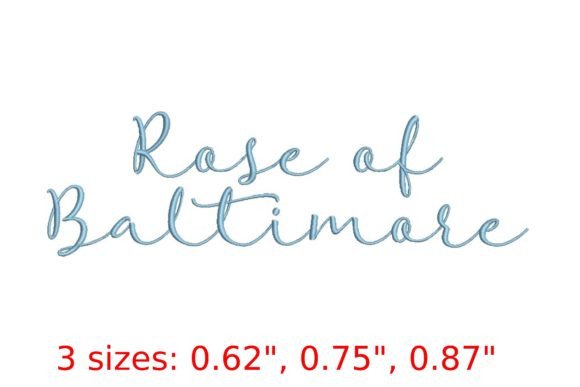
Drawing inspiration from the delicate art of embroidery, the Rose of Baltimore font features graceful, flowing letterforms that exude romance and sophistication. Its design mimics the gentle curves and connected strokes of hand-stitched script, offering a soft yet legible texture. In modern visual design, this quality is invaluable for creating a sense of authenticity and craftsmanship. It moves beyond the cold efficiency of sans-serifs, providing a human touch that resonates deeply in branding and editorial contexts where storytelling and heritage are key.
Strategic Applications in Visual Communication
The versatility of the Rose of Baltimore script allows it to serve multiple functions across a designer's workflow. Its inherent elegance makes it particularly effective for projects aiming to convey luxury, nostalgia, or artisanal quality.
- Brand Identity & Logo Design: For boutique brands, wedding planners, or artisanal bakeries, this font can form the core of a logo system. It immediately signals a premium, bespoke service.
- Packaging Design: When applied to labels for cosmetics, gourmet foods, or luxury goods, the font enhances the perceived value of the product, suggesting care and quality inside the box.
- Editorial & Web Design: Use it for pull quotes, mastheads, or hero text on websites to create a focal point that draws the eye. In editorial layouts, it adds a sophisticated flair to magazine headers or chapter titles.
- Digital Marketing & Social Media: In a feed dominated by bold, geometric typefaces, the Rose of Baltimore script offers a refreshing visual pause. It is excellent for Instagram graphics, email headers, and digital invitations that require a personal touch.
Integrating Specialized Typography into Your Workflow
Selecting a design asset like the Rose of Baltimore font requires more than just aesthetic appreciation; it demands practical consideration for the project's goals. Because this is an embroidery-style font, it excels in display sizes where its intricate details can be appreciated. However, designers must prioritize readability, especially in UI design or body copy, where simpler typefaces are necessary.
When incorporating this font, consider the following best practices to maintain a professional presentation:
- Color Palette Harmony: Pair the script with neutral, muted backgrounds or soft pastels to mimic the look of thread on fabric. Avoid overly busy backgrounds that can clash with the font's detailed strokes.
- Visual Hierarchy: Use the Rose of Baltimore for headlines or accent text only. Balance its ornate nature with a clean, modern sans-serif for supporting information to ensure the design remains scannable.
- Consistency in Branding: If used for merchandise or corporate materials, ensure the font aligns with the broader brand voice. It works best for brands that emphasize tradition, elegance, and attention to detail.
Ultimately, the Rose of Baltimore Embroidery Font is more than a decorative element; it is a tool for visual storytelling. By thoughtfully integrating this resource into creative projects, designers can craft communications that are not only seen but felt, ensuring every layout, logo, or social post carries a distinct and memorable sense of style.